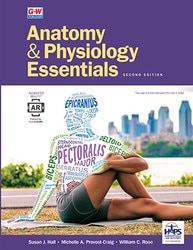
Anatomy & Physiology Essentials, 2nd Edition
• Build a strong foundation in human anatomy, physiology, and medical terminology.
• Explore body systems, diseases, and real-world healthcare applications.
• Reinforce learning with clinical case studies, animations, and hands-on labs.
Title Overview
Title Overview
Anatomy & Physiology Essentialsdelivers solid introduction to human anatomy and physiology, providing a comprehensive basis for students exploring many different career opportunities within the healthcare industry. Starting with the fundamental units from which the human body is built, the text includes all of the individual body systems, with an emphasis on terminology as well as structure and function. Each chapter describes common diseases, disorders, and conditions that may affect each body system. The accompanying Laboratory Manual uses concise text and easy-to-follow illustrations to guide students through hands-on laboratory experiments and dissections.
The new 2nd Edition textbook features updated Research Notes, a new COVID-19 Case Study, content covering COVID-19 and related SARS viruses, and new development sections in each body system chapter. The new Lab Manual provides hands-on investigations and workbook-style activities, with pre-lab reviews, procedures, clinical tips, hints, cautions and safety features. The online content includes new 2D animations, and the textbook cover now offers AR (augmented reality) capabilities.
- LMS-ready content (including interactive eBook, 2D animations, activities, and an image library) allows for easy integration into your learning management system.
- Clinical Case Studies in each chapter opener help students understand how A&P applies to healthcare.
- Up-to-date content covers COVID-19 and related SARS viruses, bionic body parts, and neuroprosthetics. A&P-related issues, including tattoos, sports supplements, and e-cigarettes, provide the opportunity to discuss contemporary topics with students.
- Several assessment opportunities within the sections, at the end of each section, and at the end of each chapter help students to assess their understanding of the content.
Table of Contents
Table of Contents
1. Foundations of Human Anatomy and Physiology
2. Molecules and Cells
3. Body Tissues
4. Membranes and the Integumentary System
5. The Skeletal System
6. The Muscular System
7. The Nervous System
8. The Sensory Systems
9. The Endocrine System
10. The Respiratory System
11. The Blood
12. The Cardiovascular System
13. The Lymphatic and Immune Systems
14. The Digestive System and Metabolism
15. The Urinary System
16. The Male and Female Reproductive System
Instructor Resources
Instructor Resources
Hit the ground running with G-W's Online Instructor Resources that save you time and make it easier to prepare for class, reinforce new concepts, and assess learning. Created by educators for educators, these complete teaching packages are ready to go and will instantly make a difference in your class. Best of all—Instructor Resources are free with qualified purchases!
- Lesson Plans and Activities
Experienced teachers have developed detailed lesson plans and creative activities to accompany the textbooks. There's no need to spend days recreating your courses—they have done it for you! - PowerPoint Presentations
Editable slides for each chapter engage a variety of learning styles, improve student focus, encourage discussion, and provide visual impact. - Workbooks
Creative workbook activities inspire students to review and apply concepts. - Interactive Content
Additional interactive content including flash cards, animations, and interactive activities enhance the learning experience.
Standards and Correlations
Standards and Correlations
Human Anatomy and Physiology Society

About the Author
About the Author
Course Content
What the Authors Are Saying
 No matter what your career aspirations—whether you are destined for a career in a medical field or planning to become an artist or start your own business—knowledge about the human body can be very useful to you in terms of both your health and appearance.
Susan J. Hall
Michelle A. Provost-Craig
William C. Rose
You Might Also Like